
Restorative Dentistry in Westfield Center, OH
Restorative Dentistry in Westfield Center, OH
Most people searching for restorative dentistry aren't looking for a procedure. They're looking for their life back. Chewing without thinking about it. No more wincing at cold drinks or steering food to one side. Restorative dentistry covers everything it takes to get there: fillings, crowns, bridges, implants, and full-mouth rehabilitation for patients whose teeth have been through a lot.
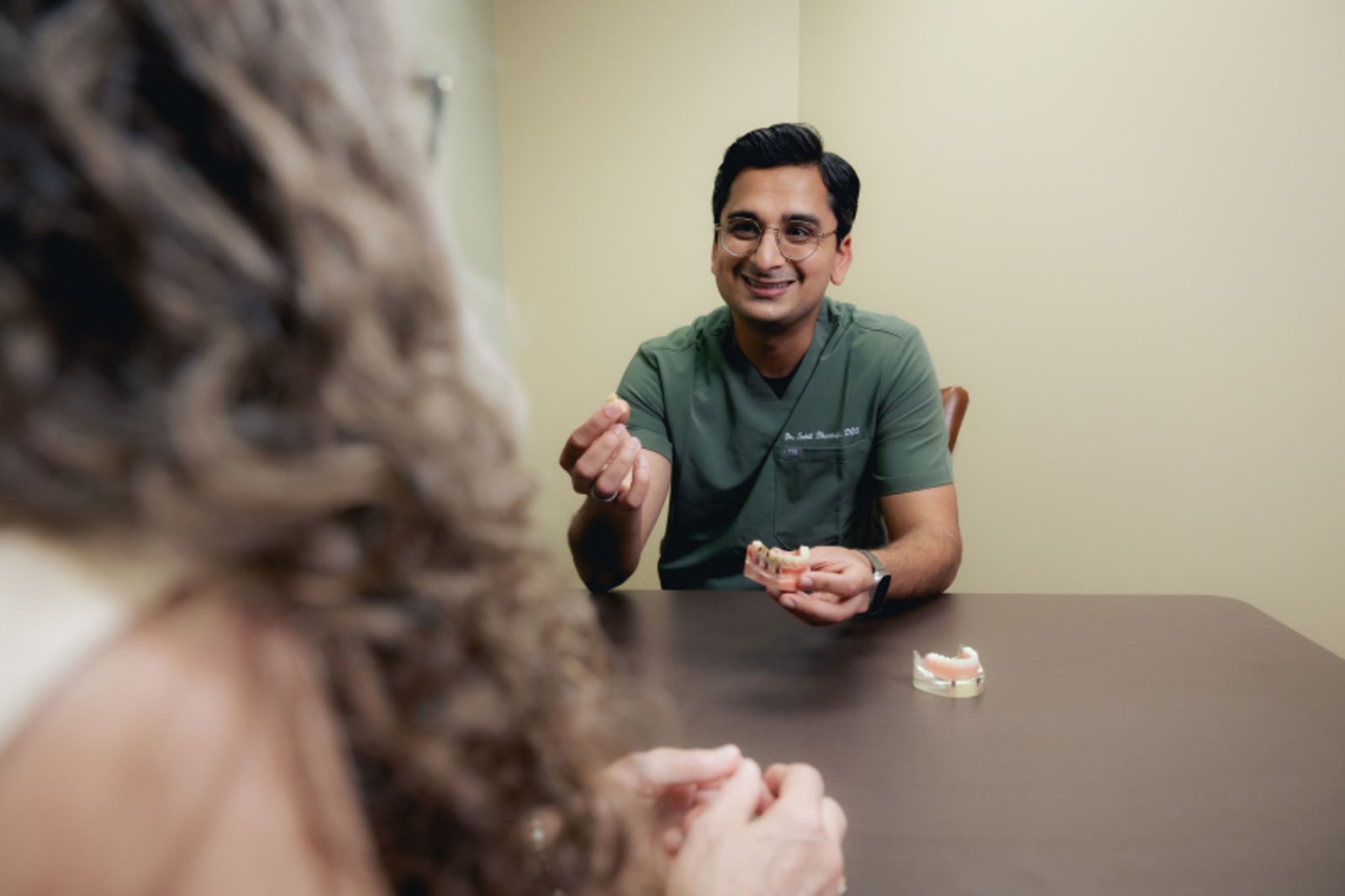
At Westfield Center Dental Care, Dr. Hall and Dr. Sahil handle all of it under one roof. Dr. Hall focuses on crowns, cosmetic work, and restorative function. Dr. Sahil brings advanced experience in implants, oral surgery, and sedation dentistry. If your treatment involves an extraction, an implant, and a final crown, every step happens here with the same team and no referrals.
Call (330) 887-1777 and we'll get you in for an exam.
A Few Things Worth Knowing First
- Note which tooth is bothering you, what triggers it, and how long it has been going on. It helps us get straight to the point at your exam.
- How much healthy tooth structure remains usually determines the right fix, whether that is a simple filling, a full crown, or a replacement.
- If anxiety has kept you away, mention it when you call. Dr. Sahil and Dr. Hall offer nitrous oxide and oral conscious sedation, and we will plan your whole visit around your comfort.
- You will receive a written treatment plan and cost estimate before anything begins. Nothing moves forward until you are ready.
How Restorative Treatment Works, Step by Step
1. Exam and Imaging
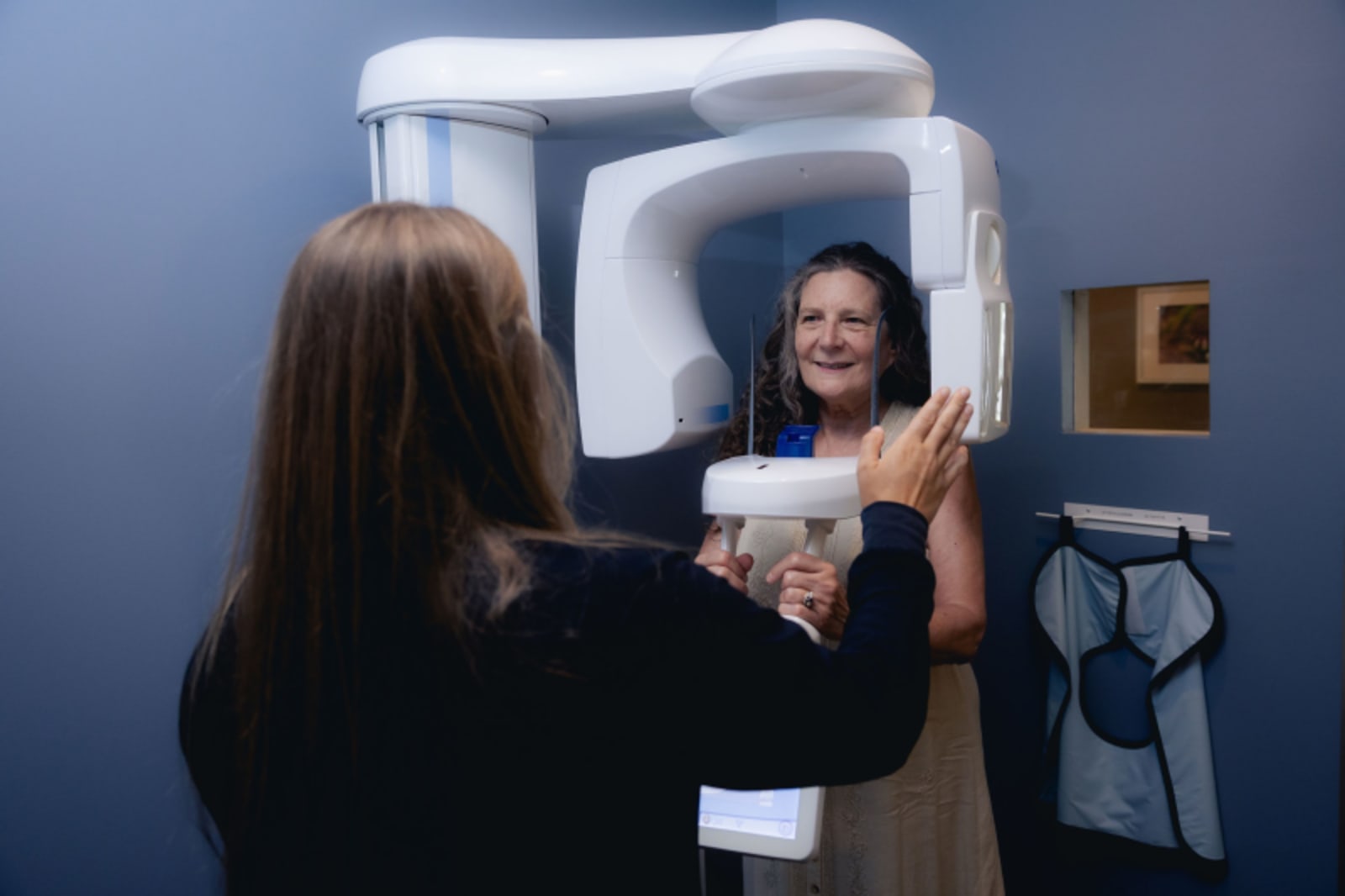
We look at the tooth, surrounding teeth, your bite, and your gums. Digital scans and cone beam imaging show us what a visual exam alone cannot, including bone levels and root structure. You will see everything on screen with us.
2. Diagnosis and Options in Plain Language
We will tell you what we found, what we recommend, and what your alternatives are. If there are two reasonable paths, you will hear both. Nothing gets scheduled until the plan makes sense to you.
3. Comfort First
We numb the area completely before starting. If you would like nitrous oxide or oral conscious sedation, Dr. Sahil and Dr. Hall arrange that ahead of time so your whole visit is built around your comfort.
4. The Restoration Itself
We remove the decay or damage, shape the tooth, and place the restoration. Fillings are done in one visit. Most crowns are scanned rather than milled the same day, so no trays or putty are needed.
5. Bite Check and Follow-Up
Before you leave, we adjust until your bite feels right. If anything feels off in the days after, call us and we will get you in quickly.
Who Is a Candidate for Restorative Dentistry and What Results to Expect
Most adults with a damaged or missing tooth can benefit from restorative care. A cracked or broken tooth, decay beyond a simple filling, missing teeth, or old dental work that is failing are all situations restorative treatment is designed to address. An exam is the best way to learn which option fits you best.
Sometimes the order of treatment matters. Active gum disease is treated before crowns or implants go in. Heavy grinding may call for a nightguard first. If bone loss has occurred at a missing tooth site, Dr. Sahil may recommend a bone graft before implant placement, or a bridge depending on your situation. None of that means a hard no. It just means there is a proper sequence to follow.
Once the right restoration is in place, most patients notice:
- Chewing without thinking about it. No more avoiding certain foods or favoring one side.
- Relief from sensitivity and dull aches. Once the underlying damage is repaired, sensitivity to cold or pressure typically settles.
- Stability for surrounding teeth. Gaps allow neighboring teeth to drift. An implant also preserves jawbone by mimicking a natural root, something a bridge or denture cannot do.
- A result that blends in. Tooth-colored materials are matched to surrounding teeth, so the restoration is not something you notice.
- Something built to last. A well-made, well-maintained restoration functions like a natural tooth for many years.
How Long Treatment Takes and What to Do After
Fillings and Simple Repairs
One visit, and timing varies depending on what's involved. Most people are eating normally by the end of the day.
Crowns, Inlays, and Onlays
Crowns take two appointments. We place a temporary at the first visit so you're never without a tooth while the permanent restoration is being made.
Bridges and Dentures
A few appointments over several weeks for prep, fit checks, and adjustments. Dentures include try-in stages so everything looks and feels right before it is finalized.
Implants
Several months total, because the jawbone needs time to bond to the implant post before the final crown goes on. You will not have a visible gap in the meantime. We plan for that from the start.
Caring for Your Results
Eat beforehand if you will be numb for a few hours, and bring a list of your current medications. If you are having sedation, we will send you specific instructions ahead of time and make sure you have a ride home.
Cost, Insurance, and Payment
What restorative care costs depends on what you need. A single filling and a full-mouth rehabilitation are very different projects, and the materials, number of teeth involved, and any prep work all affect the final number. Rather than give you a guess over the phone, we would rather take a look at what is actually going on and give you a number that means something.
You will get a written estimate at your consultation before you agree to anything. Because restorative treatment brings your mouth back to working order rather than being purely cosmetic, dental insurance plans often cover at least a portion of it. We will go through your benefits with you, explain what your plan is likely to cover, and walk you through what your share would look like. If spreading the work out over time makes it more manageable, let us know. We would much rather build a plan that fits your life than have you put it off altogether.
Why Patients Choose Westfield Center Dental Care

Most practices can handle a filling. Fewer can take you from a failing tooth all the way through an implant and final crown without sending you somewhere else. That's what having two doctors with complementary training actually makes possible.
- One Team, Start to Finish. Extractions, implants, crowns, sedation. It all happens here with people who already know your history. Nothing gets lost between offices.
- Technology That Makes Visits Easier. Digital scanners replace goopy impressions, and cone beam imaging gives us a precise look at bone structure before implant placement. Less guesswork, fewer appointments, better results.
- Anxiety-Free Care Built In from the Start. Nitrous oxide and oral conscious sedation are available, and we build your whole appointment around your comfort level. No judgment if it has been a while.
- A Practice That Knows You. We are a small office, and we intend to stay that way. Our goal is to still know your name and your history years from now, not just today.
FAQs About Restorative Dentistry
How Do I Know If I Need a Filling or a Crown?
It comes down to how much healthy tooth remains. Contained damage with a solid tooth around it usually means a filling. If the tooth is cracked, weakened, or missing a significant portion, a crown protects the whole structure. We will show you the images and explain what we are seeing before anything is scheduled.
Can I Get a Crown in One Visit?
Crowns take two appointments. At the first visit, we scan the tooth digitally and place a temporary crown. Once the permanent crown is ready, you come back for the final fit and placement.
Does Restorative Treatment Hurt?
The procedure itself should not hurt. We use local anesthetic and do not start until you are fully numb. Some soreness for a day or two after is normal. If anxiety has kept you away, mention it when you call. Nitrous oxide and oral conscious sedation are available, and we plan the whole visit around your comfort.
How Long Do Crowns, Bridges, and Implants Last?
Many years, often decades, with good care. Longevity depends on the material, bite forces, grinding habits, and how well you clean around the restoration. Implants have the strongest long-term track record and can last a very long time when the surrounding bone and gums stay healthy.
What Happens If I Keep Putting It Off?
Dental problems grow over time. A small cavity can reach the nerve and require a root canal. A crack can spread until the tooth cannot be saved. A missing tooth causes neighboring teeth to shift, adding steps and cost when you are ready to act. Earlier treatment almost always means a simpler fix.
Can You Replace Several Missing Teeth at Once?
Yes. The right option depends on the number of gaps, surrounding tooth condition, and available bone. Solutions range from bridges and partial dentures to multiple implants or implant-supported restorations. Full-mouth rehabilitation, rebuilding multiple teeth under one coordinated plan, is something we do regularly.
Let's Take a Look at That Tooth
If it's been a while, or if you're dreading a lecture, you can let that go. People put off dental work for all kinds of everyday reasons, and we're not here to judge any of them. Our job is to figure out where things stand right now and help you move forward. You'll get a clear explanation, a written plan, and a cost estimate before anything begins.
Call (330) 887-1777 and we'll find a time that works for you. We're at 8481 Virginia Dr. in Westfield Center, open Monday through Thursday. Dr. Sahil, Dr. Hall, and the team will take care of it all in one place, and we'll still be here next year.